Andrew Leci is interviewed by Anu Nathan in Starmag's ReadsMonthly supplement about his first novel Once Removed.
Now Andrew is a bloke I feel I know very well, even if I have never met him, because he's a sports anchor for ESPN and in our house, there's nowhere to run from the rugby matches on TV! (Let me tell you that I can hold my own in any conversation about the sport, but I actually only watch it for all the wrong reasons ... which I'm sure you can guess!)
Once Removed though, is far removed from the sports pitch and is the story of a British expat at large in Kuala Lumpur of the 1970's.
I am not going to be winning any Booker Prize for this one. I wanted to write something that would maybe provoke thought about the way we see expats and the way expats see us ...And as Anu points out he seems:
... blithely oblivious to the fact that, in many eyes, he’s an expat himself ...But actually, I must interject, this is what does happens to us long-term mat-sallehs!
I didn’t want it to be an expat book but it sort of turned out that way. Yes, it does reinforce a stereotype. But I think the whole point is that you have to question those stereotypes.... That’s what makes it interesting.(Rehman Rashid's reviews the book today in the NST.)
I must say that I find it a little strange that Marshall Cavendish (after having tumbled to the fact that coverage on local blogs were the main factor behind the initial boom in sales of Kam Raslan's book Confessions of an Old Boy) haven't made a conscious effort to harness blog-power when promoting other books!
Send out at least a press-kit at least (and a copy of the book would be nice!). Make sure that you have a website set up to promote the book! (Raman of Silverfish and Philip Tatham of Monsoon Books are a lot more clued up!!)
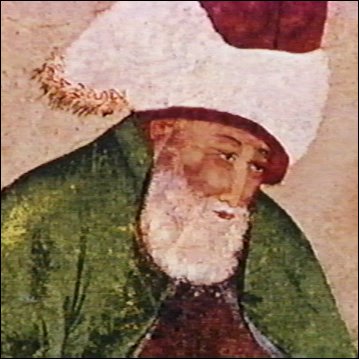
 Anyway, elsewhere in ReadsMonthly there is some other much good stuff. Award-winning filmmaker Yasmin Ahmad writes about a favourite book: Rumi's Bridge to the Soul. This I think is beautifully said and delightfully disingenious:
This year, 2007, marks Rumi’s 800th birthday. The motley entourage that gathered on the day of his funeral indicates the sort of pluralism that is now frowned upon by certain quarters. Me, I’m too ignorant to take sides here. There are mighty arguments for and against pluralism, no doubt, and the proponents of each will present a seemingly airtight case. And yet, all it takes is one tiny pin prick, does it not, for us to be able to breathe again?(I'm amazed and delighted to see that Yasmin has 5,000 books at home!)
Ted reviews of Clive Barker's Mister B. Gone, and Martin Spice is kinder to John Berendt's City of Falling Angels (now in paperback) than I felt like being.